
Special Needs and Filipino Culture: The Grandpa Who Broke the Silence
My dad has had a hand in raising our children alongside us. I could not do it all without him. They say it takes a village, and no truer words have ever been spoken. But not everyone is lucky enough to be so blessed with that kind of support, and not everyone in a Filipino family, or an Asian family more broadly, gets to be either.
Neurodivergence and Disability Stigma in Filipino Families
Slowly, in 2026, some Filipino and other Asian cultures are beginning to deconstruct the stigma mindset around neurodivergence. But it is happening so slowly, because some things simply aren’t said out loud, aren’t told to anyone outside the family. What does that silence actually mean? It means signs and symptoms go unnoticed for years. It means a diagnosis stays trapped in the denial phase, with no support offered to a child who needs it. It means limited access to independence and happiness, whatever that looks like for each unique neurodivergent person.
This might make some readers uncomfortable, but there is a real and different dynamic to being Filipino, or Asian more broadly, and disabled, one shaped by generations of silence around difference.
The Grandpa Who Broke the Silence
Not our family. Not with this grandpa. He is cheering our kids on, learning alongside me and Charles every step of the way, driving his grandbabies wherever they need to be, whether that’s school or a therapy appointment.
This grandpa has stomped on the old taboo of hiding a “different” child at home. He is proud, loud, and helping in any way he can. He worries, of course, about what the future holds for his grandbabies, and still he celebrates their differences, laughs with them, smiles at their quirks, and loves them unconditionally, praying for their safety and wellbeing every single day.
How Family Support Changes a Neurodivergent Child’s Experience
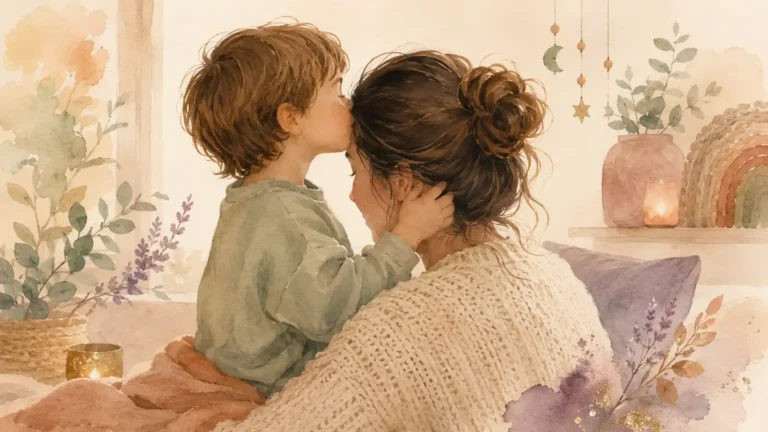
His approach has shaped who our kids are becoming. They feel comfortable in their own skin, comfortable with who they are and with the diagnoses they carry. He has helped build their self-esteem, helped them feel loved, helped get them where they need to be to receive the supports and services they’re entitled to, cooked their favorite foods with love, over and over again, without complaint.
In breaking down old traditional beliefs, he has opened doors for our kids that might have otherwise stayed closed. They experience inclusion in a safe space at home, even when the outside world often meets them with harsh judgment. He has built a culture of love in our house, and in doing so, he has broken a silence that has held for generations.
This has helped us as parents too. It has given us room to raise our children to the best of our ability, without shame, without doubt. We are grateful, because with his constant support and care, I can do my part and keep fighting the good fight against a confusing system, and Charles can go to work knowing I have help, without carrying guilt about it while he’s gone. One grandpa, refusing to stay silent, changed the entire shape of what our family’s journey could look like. Imagine what could change if more of our community did the same.
Why Talking About Neurodivergence Matters
I got to speak more on this on Makilala TV, Episode 121: Empowering Children with Special Needs, where I talked about being a mom to neurodivergent children. Around the 20 minute mark, I get into that Filipino instinct to hide things, to keep private matters inside the family, and I push back on it directly: why not share, if sharing means helping even one other child, one other family? That is exactly how I learned so much of what I know, other mothers sharing openly, and it’s how I hope to keep helping others learn too. You can watch the full episode here.
Have a story of your own? ❤
Every family’s journey looks different, whether you’re a parent, grandparent, aunt, uncle, or caregiver walking alongside a child with special needs. If you’d like to share your story with our community, we’d be honored to feature it. Reach out at hello@raisingdifferenttogether.com.
And if you’re in the thick of it right now, here’s how we help families like yours.
You’re not doing this alone.