
The Sibling Who Wasn’t “The One” (Until She Was)
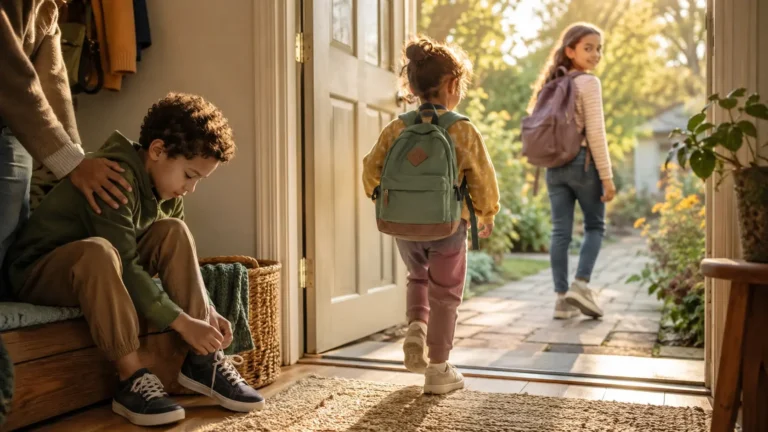
When you have more than one child with needs, people assume there’s always “the other one,” the sibling who doesn’t need extra appointments, extra meetings, extra everything. For years in our house, that was Caydence. While we were navigating surgeries and therapies for Carlos, and school trauma and meltdowns for Coah, Caydence was the dancer, the singer, the student council president, the soap box finalist, the one teachers described as sweet and easy. She was, by every visible measure, the child who didn’t need us to worry.
When One Child’s Needs Take Up More Space
Looking back, I understand now how much that role asked of her. Being the “easy” sibling in a house already stretched thin isn’t actually easy at all. It’s absorbing the unspoken message that your job is to not add to the pile. It’s watching your brothers get appointments, accommodations, and your parents’ full attention in moments of crisis, and quietly deciding your own struggles can wait, or don’t count, or aren’t as real. Kids in this position often become experts at holding it together, not because they don’t have needs, but because they’ve learned the family doesn’t have bandwidth left for one more thing.
The Sibling Who Seemed Fine
I will never forget third grade, when Caydence sat with me and asked, “Mommy, when you pass away one day a long long time from now, if both my brothers need help at the same time, who do I help first?” She was in third grade. I don’t know that anything has broken me quite like that question did, a child that young already carrying the weight of a future where she saw herself as the one responsible for her brothers. That caregiving instinct showed up everywhere. She sacrificed more than anyone realized, riding along to therapies in Queens, Long Island, and Manhattan instead of being with friends, missing dance rehearsals more than once because a brother’s appointment couldn’t move. We put her in dance in the first place because she needed something that was entirely hers, one thing in her life that wasn’t shared with or shaped around her brothers, because so much of our attention, by necessity, was already on them.
When the Quiet Struggles Became Impossible to Miss
Here’s the part that still makes my jaw tighten when I think about it: I knew. I knew since second grade. I said something, more than once, to family, to her dance instructors, to friends who saw her regularly. I was met with reassurance, with “she’s fine,” with the kind of gentle dismissal that makes you start to doubt your own read on your own child. No doctor flagged it. No teacher flagged it. For years, it was just me, watching something I couldn’t fully name yet, and being told, in a dozen different soft ways, that I was overthinking it.
Then fifth grade happened, and things fell apart in a way that was impossible to wave off. And suddenly, the same family, the same instructors, the same circle who had spent years telling me she was fine were the ones saying she clearly needed a diagnosis. I won’t pretend that didn’t sting. It is a very specific kind of frustration, watching a room full of people arrive, years late, at the exact conclusion you’d been trying to hand them all along.
I carry a particular kind of grief about this, but it isn’t the grief of a mother who missed something. It’s the grief of a mother who saw it clearly and wasn’t believed, for years, by the very people who should have taken her word for it. That is the trap of the sibling dynamic in a family like ours: the loudest needs get seen first, almost by necessity, and even when a mother is standing right there naming the quieter struggle, it can take a crisis before anyone else is willing to look.
This year, everything shifted. Caydence went from being the sibling on the outside of all of it to being fully inside it, her own IEP, her own accommodations, her own language for what her brain has been doing all along. There was relief in finally having an explanation. There was also grief, for both of us, for the years those struggles went unnamed, and for the identity she’d built around being the one who didn’t need help.
What Parents of Neurodivergent Siblings Should Watch For
If there is one thing I want other parents in multidiagnosis households to hear, it’s this: the sibling who seems fine deserves the same curiosity you give the child in crisis. Achievement is not the same as wellness. Compliance is not the same as comfort. Sometimes the quietest kid in the house is working the hardest, and sometimes, like with Caydence, the whole family turns out to be neurodivergent, you just hadn’t found all the pieces yet.
Raising Different Together ❤
If you have a child who was “the easy one” until they weren’t, comment ❤ below, we’d love to hear how that story unfolded in your family too.
Have a story of your own? ❤
Every family’s journey looks different, whether you’re a parent, grandparent, aunt, uncle, or caregiver walking alongside a child with special needs. If you’d like to share your story with our community, we’d be honored to feature it. Reach out at hello@raisingdifferenttogether.com.
And if you’re in the thick of it right now, here’s how we help families like yours.
You’re not doing this alone.